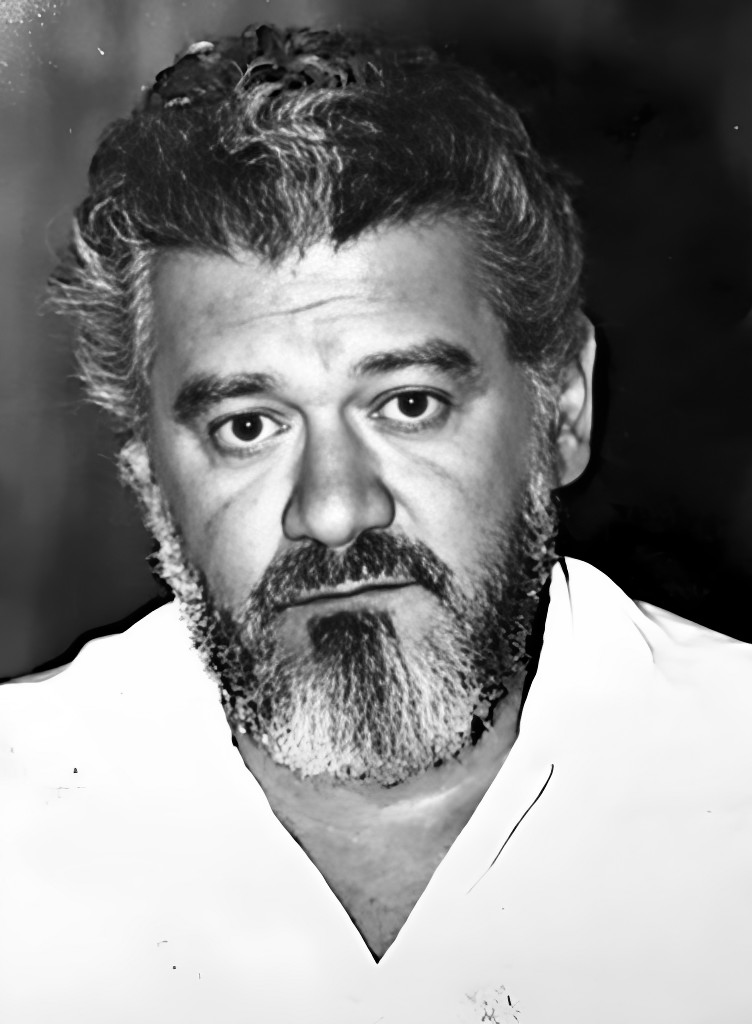
Pedro Saad Herrería (Guayaquil, September 16, 1940 – Quito, June 6, 2014), was an Ecuadorian writer, filmmaker, politician, diplomat, historian and journalist. He was the son of Ecuador’s communist party leader, Pedro Saad Niyaim. He authored several books, such as “Historias del pueblo de Guayaquil” (2010), “Ecuador un país en imágenes/Ecuador a Country in Images” (2002, in Spanish/English bilingual edition), and “La caída de Abdalá” (1997), among others. In April 2014, Saad was honored by the Voltaire Masonic Lodge at the House of Ecuadorian Culture in Quito with the Cultural Merit Medal for his extensive and prolific intellectual career.
Continue reading “Pedro Saad Herrería”Category: 20th Century Writers
Eugenio Moreno Heredia
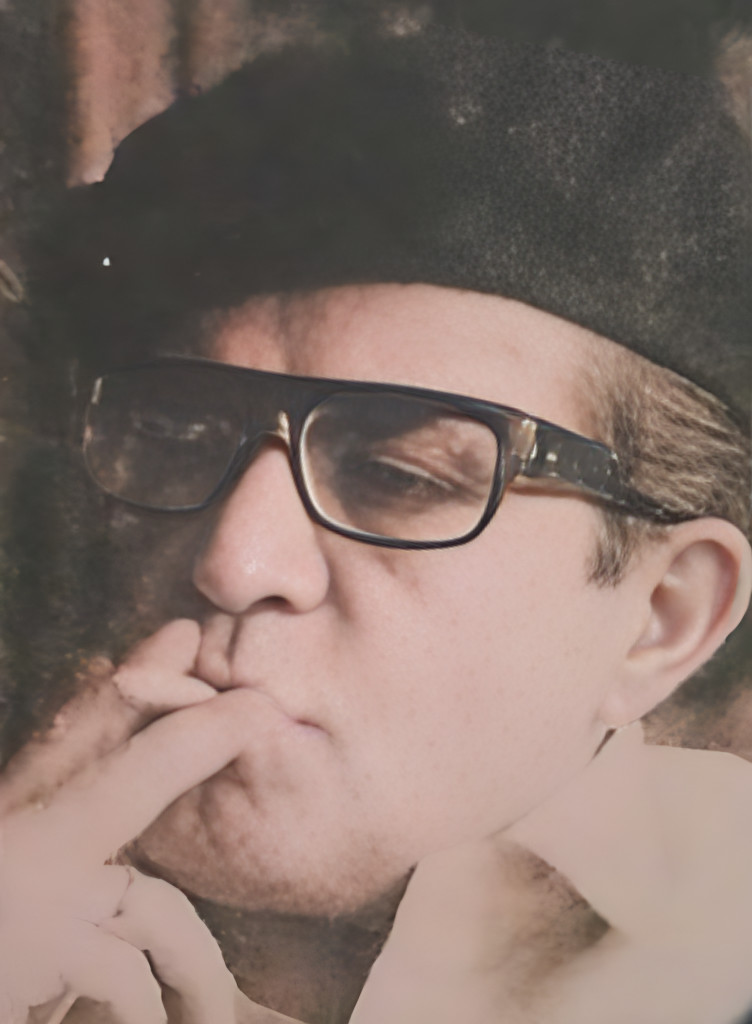
Eugenio Moreno Heredia (Cuenca, 1926—1997) was a poet, fiction writer, nonfiction writer, literary critic, university professor, magistrate judge and member of the communist party. He belonged to the literary groups “La Madrugada,” “Elan,” and “Tzánticos.” He was the son of the poet Alfonso Moreno Mora. His poems have been translated into several languages and published in anthologies.
Continue reading “Eugenio Moreno Heredia”Fanny Caicedo
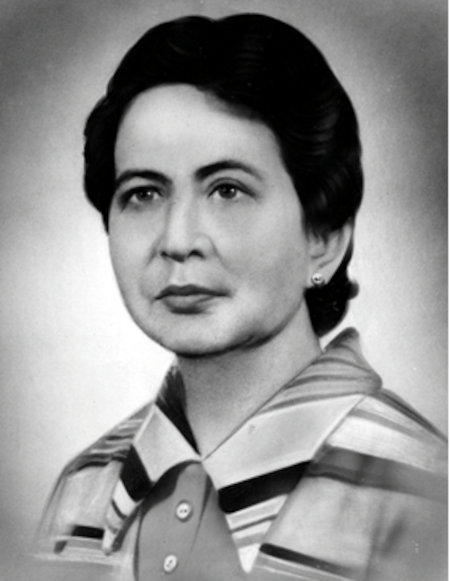
Emma Fanny Caicedo Mier, also known as Fanny Caicedo de Cobo (Yaguachi, 1932 – circa 2001), was an Ecuadorian poet and teaching professor. Her books include Perlas Azules and Cantares del Silencio. She was a councilor of the Tungurahua Province. She wrote for several newspapers in the city of Ambato, including La Crónica, Avance, El Heraldo and others.
Continue reading “Fanny Caicedo”Gustavo Egüez Villacreses
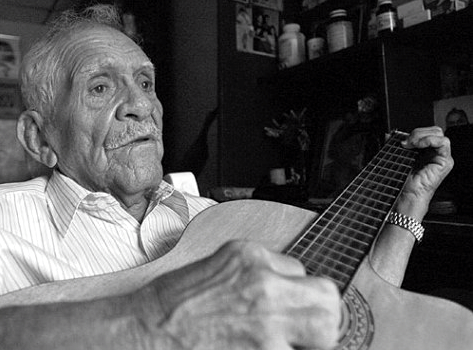
Gustavo Egüez Villacreses (Ambato, March 26, 1923 – Guayaquil, May 29, 1981) was a poet and writer. Egüez received several awards for his poetry: In 1952 he won First Prize of the newspaper Diario La Nación (Guayaquil) for his poem “Romancero de Navidad′′ and he was bestowed the Gilded Orchid in the floral games of the magazine Radial Vida Porteña.
Continue reading “Gustavo Egüez Villacreses”Antonio Preciado
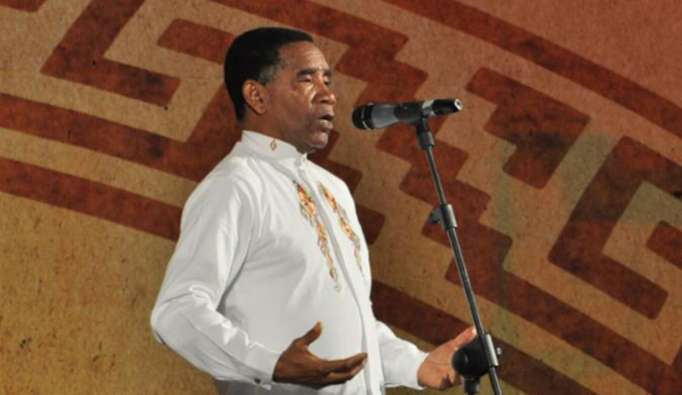
Antonio Preciado Bedoya is an Afro-Ecuadorian poet, university professor and diplomat. He was born in Esmeraldas on May 21, 1941. He was director of the Municipal Center of Culture of the city of Esmeraldas and President of the Esmeraldas chapter of the House of Ecuadorian Culture. For 23 years he was director of the Department of Culture of the Central Bank of Ecuador and rector of the University of Esmeraldas. He has been dubbed the “Poet of the Diaspora.” Together with Nelson Estupiñán Bass, Preciado is considered one of the greatest exponents of Esmeralda poetry. Siete veces la vida (1967) is widely regarded as his most famous collection of poems. Some of his work has been translated into English, French and Romanian.
Continue reading “Antonio Preciado”Fernando Artieda
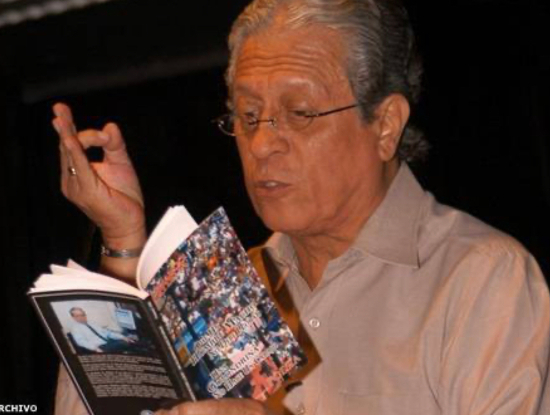
Fernando Artieda Miranda (Guayaquil, June 14, 1945 – April 15, 2010) was an Ecuadorian writer, poet and journalist. For 40 years he worked as a journalist for newspapers and magazines such as La Razón, Expreso, Meridiano and Hoy, as well as television media such as Ecuavisa and RTS. During the presidency of Abdalá Bucaram he was the secretary of communications.
Continue reading “Fernando Artieda”Fernando Nieto Cadena
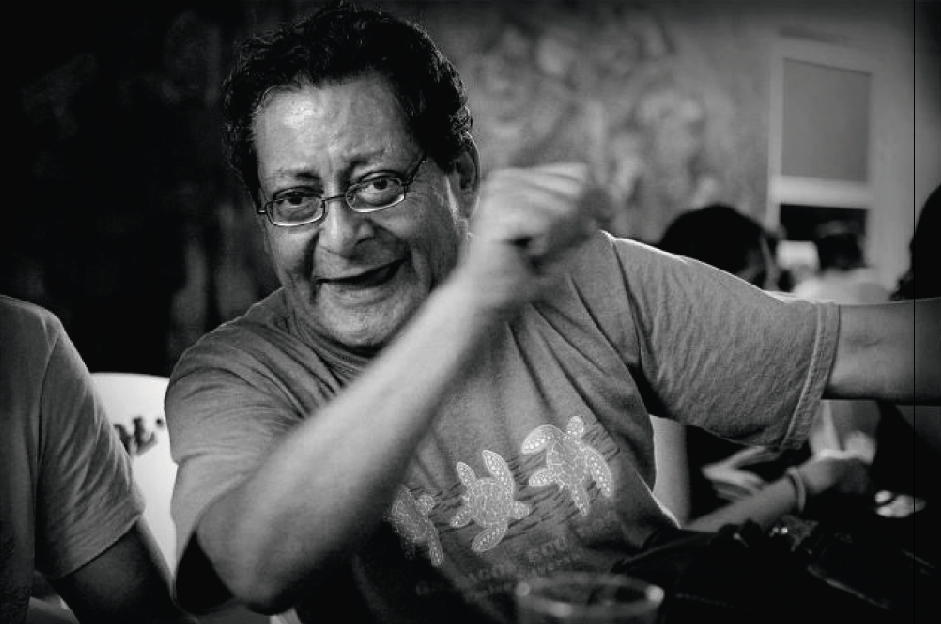
Fernando Nieto Cadena (Quito, March 29, 1947 – Villahermosa, Mexico, March of 2017) was an Ecuadorian poet. In the 1970s he founded the literary group Sicoseo, which consisted of writers such as Fernando Artieda, Jorge Velasco Mackenzie, Jorge Martillo and Raúl Vallejo. In 1978 he moved to Mexico, returning to Ecuador on only two occasions. In 1989 he was awarded the Jorge Carrera Andrade Prize for his poetry book “Los des(en)tierros del caminante.”
Continue reading “Fernando Nieto Cadena”Cristóbal Zapata
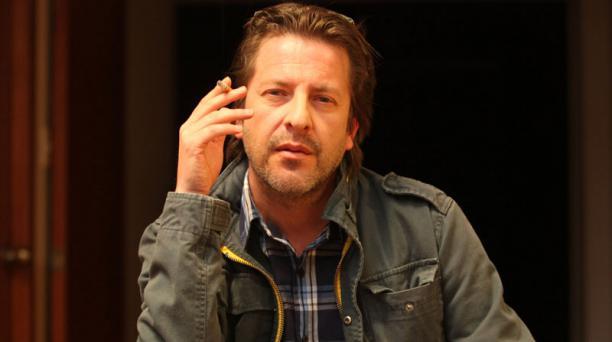
Cristóbal Zapata is an Ecuadorian poet, editor, literary critic, and art curator. He was born in Cuenca in 1968. He is currently the executive director of the Municipal Biennial Foundation of Cuenca. He has published the poetry books Corona de cuerpos (1992), Te perderá la carne (1999), Baja noche (2000), No hay naves para Lesbos (2004), Jardín de arena (2009), La miel de la higuera (2012) and El habla del cuerpo (2015); and the book of short stories El pan y la carne (2007), which won the prestigious Joaquín Gallegos Lara National Literature Prize.
Continue reading “Cristóbal Zapata”Catalina Sojos
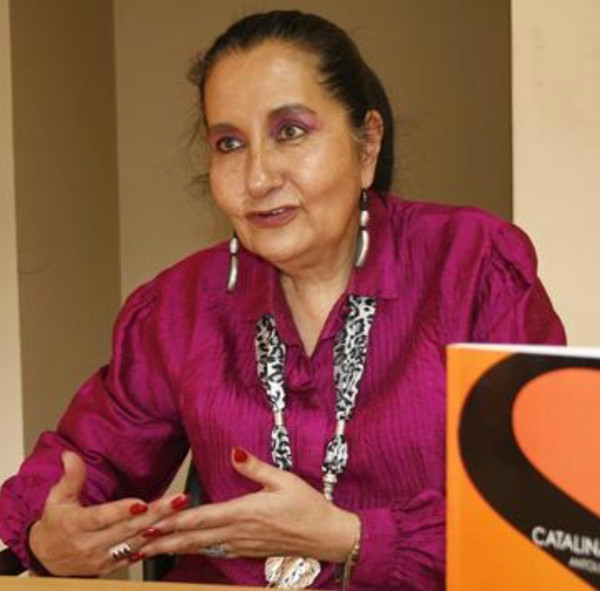
Catalina Sojos Mata (Cuenca, 1951) is a poet, writer, columnist, author of children’s literature, and a translator. In 1989, at the age of 37, she published her first poetry book: Hojas de poesía. She has been awarded the Gabriela Mistral National Poetry Prize, 1989, and the Jorge Carrera Andrade Prize, 1992. She is currently the director of the Manuel A. Landívar Museum in Cuenca, Ecuador.
Continue reading “Catalina Sojos”Francisco Granizo Ribadeneira
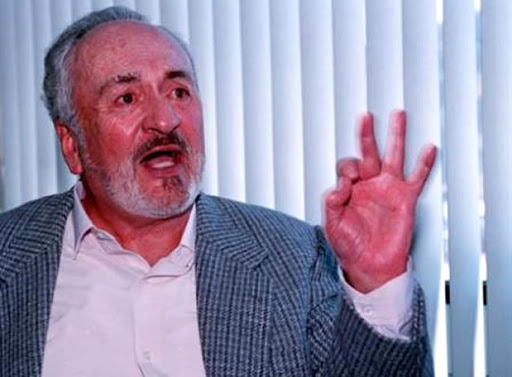
Francisco Granizo Ribadeneira (Quito, November 8, 1925 – January 21, 2009) was an Ecuadorian poet, professor and diplomat. He was a professor at Ecuador’s Central University and the director of the House of Ecuadorian Culture’s radio station. He published several poetry books, including “Por el breve polvo” (1948), “La piedra” (1958), “Nada más el verbo” (1969), “Muerte y caza de la madre” (1978), “Sonetos del amor total” (1990) and “El sonido de tus pasos” (2005). He also wrote a verse drama, “Fedro” (2005). In 2001, he published his only novel, “La piscina,” for which he received the Joaquín Gallegos Lara Prize for best novel of the year. Through the protagonists Fernando and Lilí, the book examines loneliness and the impossibility of finding love, two frequent themes in Granizo’s works.
Continue reading “Francisco Granizo Ribadeneira”Fernando Cazón Vera
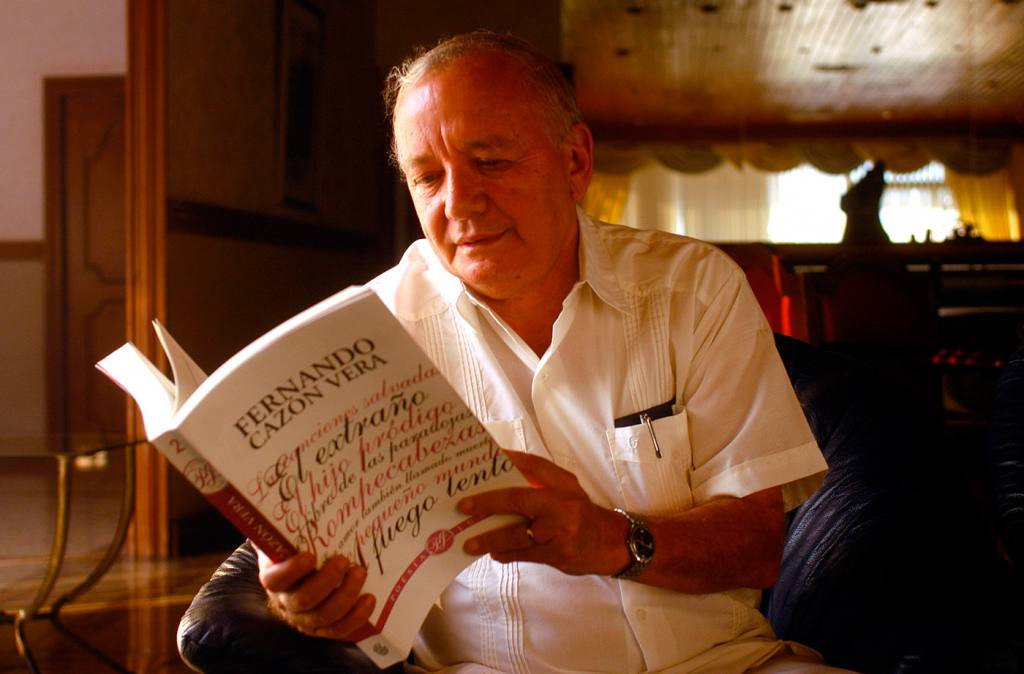
Fernando Cazón Vera is an Ecuadorian poet, columnist, editor, and university professor. He was born in Quito on June 5, 1935 and has lived in Guayaquil most of his life. He comes from a family of well-known cultural figures in Ecuador, including his uncles Pedro Jorge Vera (1914-1999), who was an acclaimed writer, and Alfredo Vera Vera (1910–1999), who as Minister of Education promoted the establishment of the House of Ecuadorian Culture in 1944, in addition to his cousin Noralma Vera (1936-), an important figure of the Ecuadorian ballet. His first book of poetry, “Las canciones salvadas,” was published in 1957 by the House of Ecuadorian Culture after being read and championed by the organization’s founder, Benjamn Carrión. He has worked as a columnist or editor for newspapers and magazines such as La Hora, Expreso, Extra, La Nación, and La Razón for more than 50 years. He was twice president of the House of Ecuadorian Culture’s Guayas chapter. President Lenin Moreno bestowed Ecuador’s highest honor, the Eugenio Espejo Award in Literature, on Cazón in 2018.
Continue reading “Fernando Cazón Vera”Alejandro Carrión Aguirre
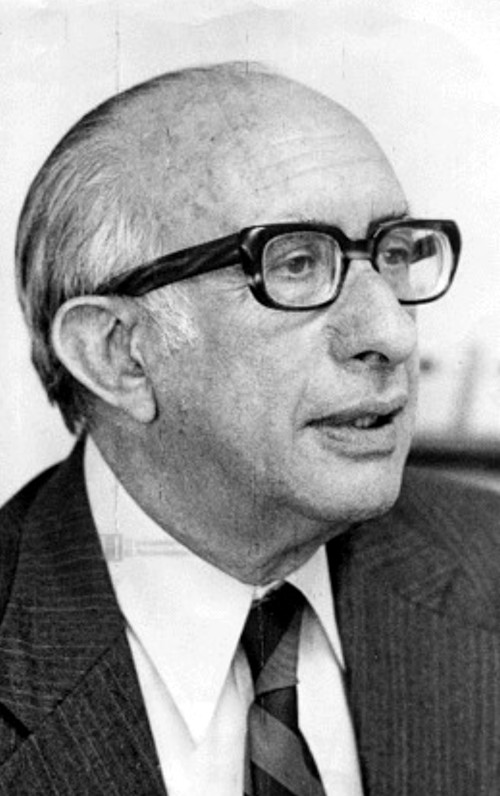
Alejandro Carrión Aguirre (Loja, March 11, 1915 – Quito, January 4, 1992) was an Ecuadorian poet, novelist and journalist. He wrote numerous poetry books, short story books, and the novel La espina (1959). As a journalist he published many articles under the pseudonym “Juan Sin Cielo.” He was the nephew of the writer Benjamín Carrión and the naturalist Clodoveo Carrión. He was a recipient of the Maria Moors Cabot Prize (1961) from the Columbia University Graduate School of Journalism. He also was awarded the Eugenio Espejo Award (1981), Ecuador’s highest literary honor.
Continue reading “Alejandro Carrión Aguirre”Osvaldo Hurtado
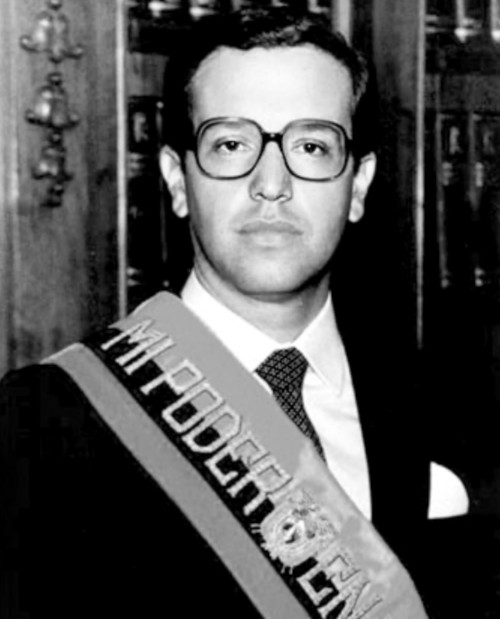
Luis Osvaldo Hurtado Larrea is a former president of Ecuador (1981-1984) and within Ecuador he is one of the most widely read political scientists. He was born in Chambo, a city in the Chimborazo Province of Ecuador, on June 26, 1939. He is the author of an influential book on Ecuadorian politics entitled El Poder Político en el Ecuador (English: “Political Power in Ecuador”). In 1979, Hurtado was chosen as the running mate of presidential candidate Jaime Roldós Aguilera, a member of the populist political party Concentración de Fuerzas Populares (English: “Concentration of People’s Forces”). Roldós won the election, becoming the first freely-elected president of Ecuador after the rule of the military juntas in the 1970s, with Hurtado as his Vice President. On Sunday, May 24, 1981, Roldós died in a plane crash and therefore Hurtado became the 34th President of Ecuador, serving out the rest of Roldós’ term.
Continue reading “Osvaldo Hurtado”Alfredo Pareja Diezcanseco
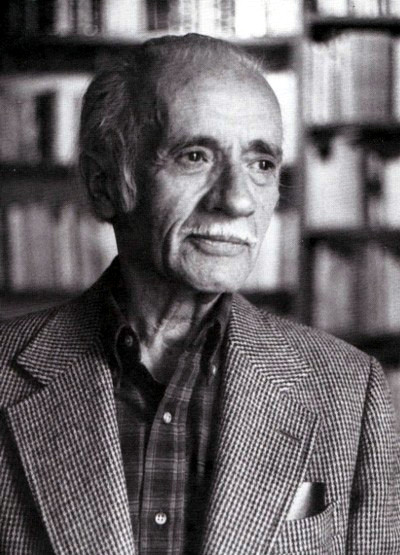
Alfredo Pareja Diezcanseco was an Ecuadorian novelist, essayist, journalist, historian and statesman. He was born in Guayaquil on October 12, 1908 and died in Quito on May 1, 1993. He was part of a literary group called the “Group of Guayaquil,” whose members utilized realism in their stories. The other members of the group were José de la Cuadra, Joaquin Gallegos Lara, Demetrio Aguilera Malta and Enrique Gil Gilbert. Among the many government posts he held throughout his lifetime, he was elected to the Constituent Assembly in 1944 and was made Minister of Foreign Affairs in 1979. In 1979 he was awarded the Eugenio Espejo Award, the most important literary prize in Ecuador.
Continue reading “Alfredo Pareja Diezcanseco”Salomon Isacovici
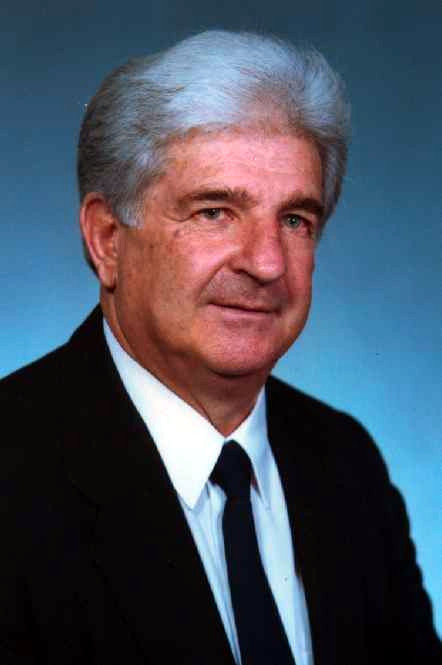
Salomon Isacovici (Sighetu Marmaţiei, Romania, 1925 – February 1998) was a businessman based in Ecuador who also penned a memoir detailing his survival experiences during the Holocaust. Born in Romania in 1924, he spent challenging years in Auschwitz and Gross-Rosen concentration camps before being liberated by U.S. soldiers. After the war, he moved to Ecuador, leaving behind the devastation of his homeland. In Ecuador, Isacovici worked his way up from modest beginnings to become a successful businessman, demonstrating his resilience and determination. His experiences during the Holocaust were vividly captured in his co-authored book, “Man of Ashes”, an award-winning memoir that shed light on his experiences as a Romanian Jew during one of history’s darkest periods. Isacovici’s died of cancer in 1998, but his legacy continues to endure through his impactful memoir, serving as a testament to the human capacity for survival and renewal.
Continue reading “Salomon Isacovici”